


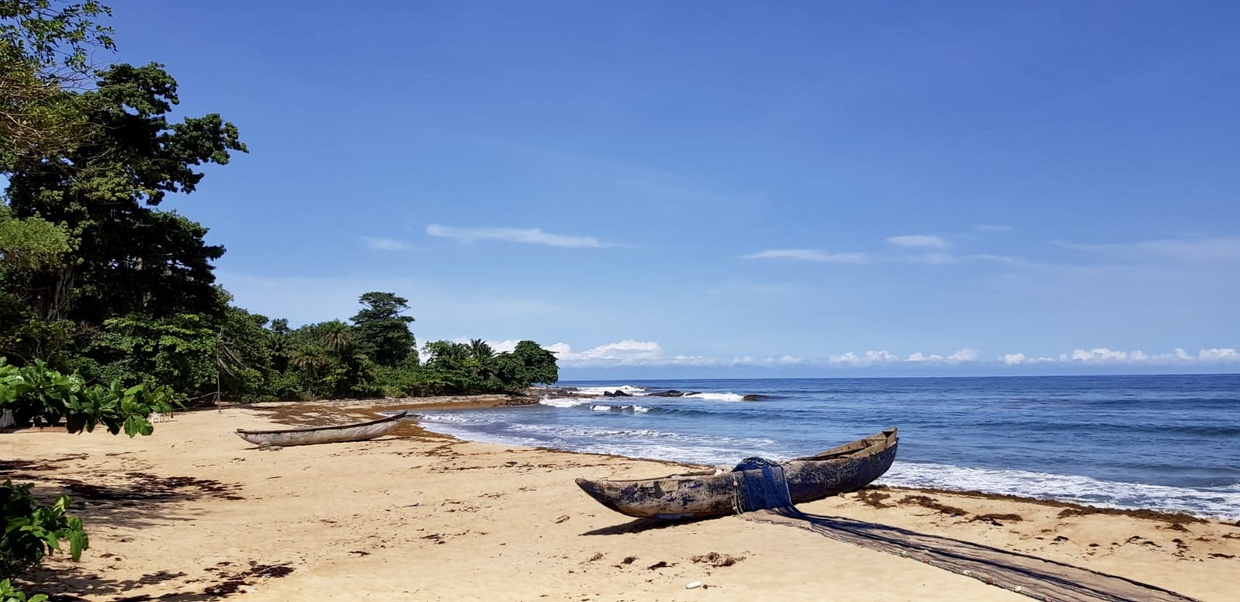
With more than three decades of peace and growing investment in tourism infrastructure, Liberia is steadily reclaiming its place on the regional and global tourism map. From untouched beaches and biodiversity-rich national parks to historic cities and vibrant traditions, the country presents a compelling destination for discovery-driven travelers.
Overview of Tourism Development in Liberia
Liberia’s tourism sector has undergone a significant transformation following the civil conflicts that spanned from 1989 to 2003. These conflicts severely disrupted transportation, hospitality services, conservation efforts, and international travel. In the post-conflict era, national recovery efforts have prioritized stability, economic diversification, and sustainable development, with tourism identified as a key growth sector.
Government institutions, private investors, conservation organizations, and tourism associations have worked collaboratively to rebuild infrastructure, protect natural assets, and promote Liberia’s tourism potential. Improvements in road access, expanded accommodation options, and increased digital visibility are gradually enhancing the visitor experience.
Although still developing, Liberia’s tourism industry offers strong long-term potential, particularly in eco-tourism, cultural tourism, coastal recreation, and adventure travel.
What Makes Liberia a Unique Tourism Destination
Liberia’s greatest tourism strength lies in its authenticity. Unlike heavily commercialized destinations, Liberia remains largely unspoiled, allowing visitors to engage directly with local communities, traditions, and natural landscapes. Tourism experiences are rooted in real life rather than curated attractions.
Key elements of Liberia’s tourism appeal include expansive Atlantic beaches, one of the largest remaining Upper Guinean rainforests in West Africa, a distinctive historical narrative, and a strong sense of national identity shaped by resilience and cultural pride.
Monrovia: Liberia’s Cultural and Historical Gateway

Monrovia: Liberia’s Cultural and Historical Gateway
Monrovia, the capital city of Liberia, serves as the country’s primary entry point and cultural hub. Located along the Atlantic Ocean, the city blends historic landmarks, government institutions, and everyday urban life.
The Liberian National Museum offers valuable insight into the nation’s history, showcasing traditional artifacts, political memorabilia, and cultural exhibits. The Centennial Pavilion stands as a national symbol and hosts major cultural and civic events.
Beyond its landmarks, Monrovia is known for its bustling markets, coastal neighborhoods, music scenes, and local cuisine. These everyday experiences allow visitors to connect with Liberian culture on a personal level.
Sapo National Park: Liberia’s Rainforest and Wildlife Sanctuary
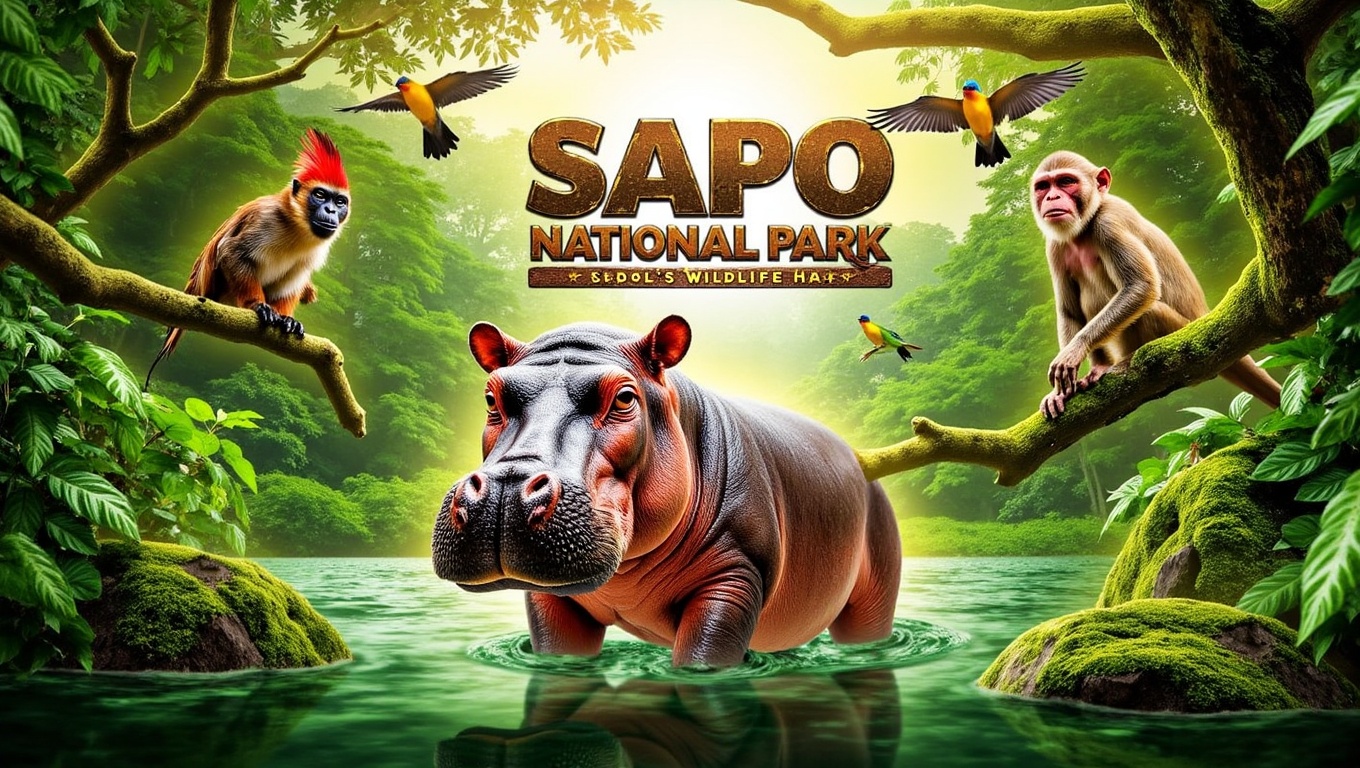
Sapo National Park Liberia
Sapo National Park is Liberia’s largest protected area and one of West Africa’s most ecologically important rainforests. Located in southeastern Liberia, the park protects vast tracts of primary forest and plays a vital role in biodiversity conservation.
The park is home to pygmy hippos, forest elephants, chimpanzees, leopards, and numerous bird and reptile species. Many of these animals are endangered, making Sapo a critical conservation site on the African continent.
Eco-tourism activities include guided rainforest hikes, wildlife tracking, birdwatching, and scientific research tourism. These experiences support conservation while offering travelers immersive nature encounters.
Coastal Tourism and Liberia’s Atlantic Beaches
Liberia boasts more than 350 miles of Atlantic coastline, much of which remains undeveloped and naturally preserved. Its beaches are wide, clean, and largely uncrowded, making them ideal for relaxation, adventure, and cultural interaction.
Robertsport: Surfing Capital of Liberia

Robertsport: Surfing Capital of Liberia
Robertsport, located in Grand Cape Mount County, is internationally recognized for its world-class surfing conditions. Consistent Atlantic swells, sandy beaches, and reef breaks attract surfers from around the world.
Beyond surfing, Robertsport offers scenic lake views, fishing communities, and a relaxed coastal atmosphere. Its natural beauty and peaceful pace make it a favorite destination for eco-travelers and adventure seekers alike.
Marshall Wetlands: Coastal Ecosystems and Eco-Tourism
The Marshall Wetlands are designated as a Ramsar Wetland of International Importance and represent one of Liberia’s most vital coastal ecosystems. Characterized by mangrove forests, tidal creeks, and rich marine life, the wetlands play a crucial role in shoreline protection and fisheries.
Eco-tourism activities in the wetlands include birdwatching, environmental education, and guided nature excursions. These experiences highlight the importance of conservation and sustainable coastal management.
Kpatawee Waterfalls and Inland Nature Attractions
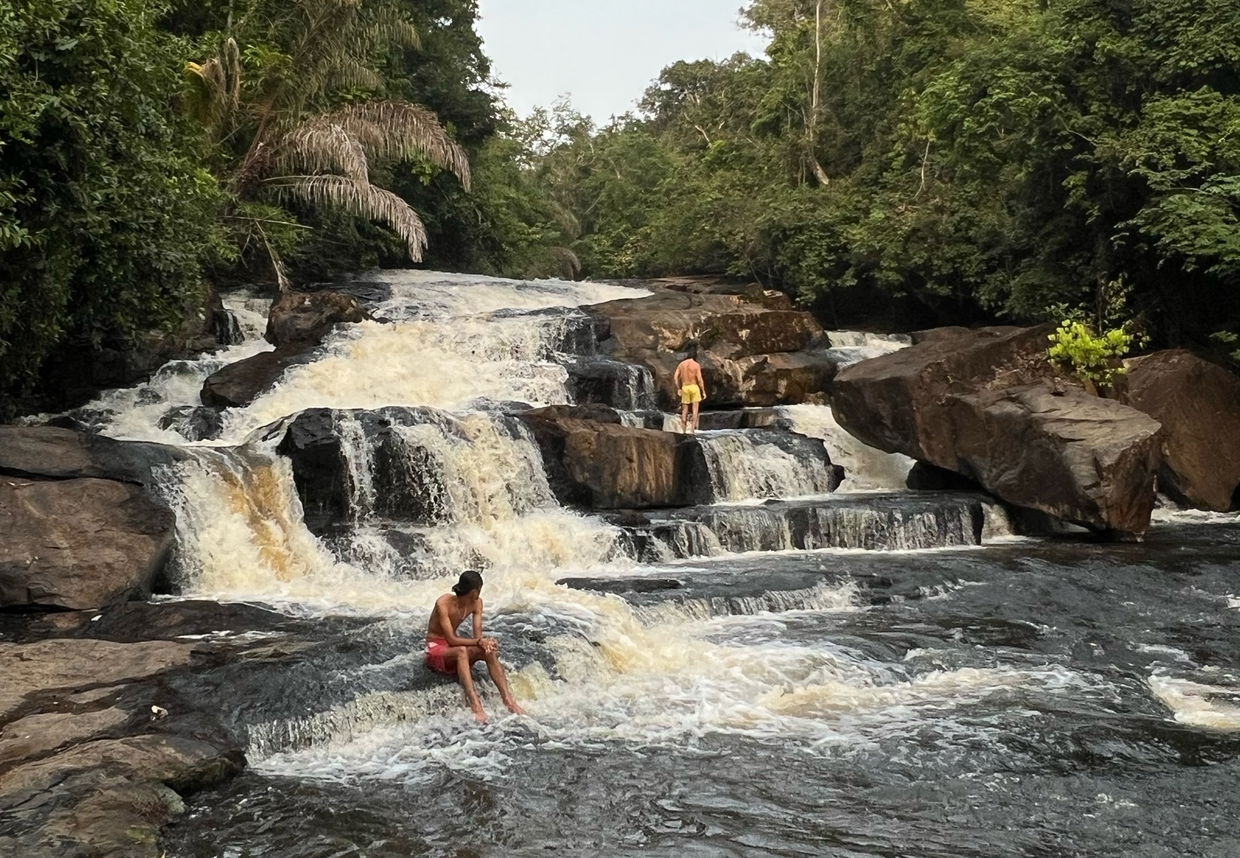
Kpatawee Waterfalls and Inland Nature Attractions
Located within Liberia’s interior, Kpatawee Waterfalls are among the country’s most visited inland attractions. Surrounded by lush vegetation and cool forest air, the cascading falls provide a peaceful escape from urban centers.
The site is popular for picnics, photography, hiking, and relaxation, demonstrating Liberia’s strong potential for inland eco-tourism beyond coastal destinations.
Cultural Heritage and Traditional Tourism
Liberia is home to numerous indigenous ethnic groups, each with distinct languages, traditions, and artistic expressions. Cultural tourism plays an essential role in preserving these traditions while supporting local livelihoods.
Traditional music, drumming, masked ceremonies, storytelling, and seasonal festivals remain central to community life. Visitors can also explore local craftsmanship, including wood carvings, textiles, masks, and beadwork.
Sustainable Tourism and Community Development
Sustainability is increasingly central to Liberia’s tourism vision. Community-based tourism initiatives emphasize local ownership, environmental stewardship, and cultural preservation.
By prioritizing eco-tourism and responsible travel practices, Liberia aims to develop its tourism sector while protecting natural resources and ensuring equitable economic benefits for communities.
Challenges and Future Tourism Opportunities
While Liberia’s tourism potential is significant, challenges remain, including infrastructure limitations, accommodation capacity, and international awareness. However, these challenges also present opportunities for responsible investment and innovation.
Key growth areas include eco-lodges, surf tourism, cultural heritage tourism, domestic travel, and regional tourism markets.
Conclusion: Liberia as a Destination of Discovery
Liberia offers travelers an experience defined by authenticity, nature, and cultural depth. As the country continues to rebuild and promote its tourism assets, it stands poised to become a leading eco-tourism and cultural destination in West Africa.
For visitors seeking meaningful travel experiences beyond conventional destinations, Liberia offers an immersive, transformative, and unforgettable journey.


Facebook Comments